At 3 AM in a Cleveland Clinic intensive care unit, researchers observed that vagus nerve stimulation in rheumatoid arthritis patients showed promising inflammatory response modulation—part of ongoing clinical trials exploring whether electrical pulses delivered to neural circuits can provide therapeutic benefits comparable to pharmaceutical treatments. This patient was participating in clinical research investigating bioelectronic medicine, a revolutionary approach that aims to replace chemical drugs with precision electrical signals targeting specific neural circuits.
The technical achievement is undeniable: Bioelectronic devices can modulate immune responses, control chronic pain, and regulate organ function with precision that surpasses most pharmaceuticals [1]. Yet transforming these remarkable laboratory and clinical successes into widespread patient treatment requires navigating a regulatory landscape designed for traditional drugs, not electrical therapies that directly reprogram neural circuits.
This isn’t simply a story of medical innovation—it’s a case study in how breakthrough technologies must simultaneously solve technical challenges and regulatory puzzles to reach patients. Understanding the FDA approval pathways, clinical endpoint requirements, and reimbursement frameworks reveals why bioelectronic medicine, despite impressive clinical results, faces an 8-15 year journey from laboratory bench to hospital bedside—and why the winners in this race will be companies that master both engineering and regulatory strategy.
How Bioelectronic Medicine Works: Reprogramming the Body’s Electrical Network
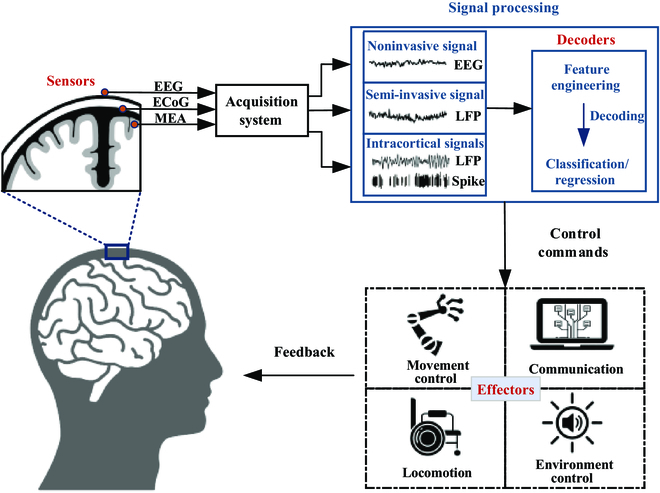
To understand why bioelectronic medicine faces unique regulatory challenges, consider how fundamentally it differs from pharmaceutical approaches. Traditional drugs work by flooding the entire body with chemicals that hopefully reach the right targets while minimizing side effects—like using a garden sprinkler when you need a precision irrigation system. Bioelectronic medicine takes the opposite approach: directly accessing the body’s natural electrical communication network to deliver therapeutic signals exactly where needed.
The human nervous system operates as a biological internet, with electrical signals carrying information between the brain, organs, and immune system. Bioelectronic devices tap directly into these neural pathways, monitoring electrical activity and delivering precisely timed stimulation pulses to restore normal function [2]. Think of it as debugging biological software rather than changing the hardware.
This electrical approach enables therapeutic precision impossible with chemicals. Clinical studies have shown vagus nerve stimulation can reduce inflammatory markers in rheumatoid arthritis patients without systemic immunosuppression, as it targets specific neural circuits controlling inflammation [2]. Spinal cord stimulation provides sustained pain relief for patients unresponsive to medication by modulating pain signals before they reach the brain [3]. Deep brain stimulation dramatically improves Parkinson’s symptoms by normalizing abnormal neural firing patterns in specific brain regions.
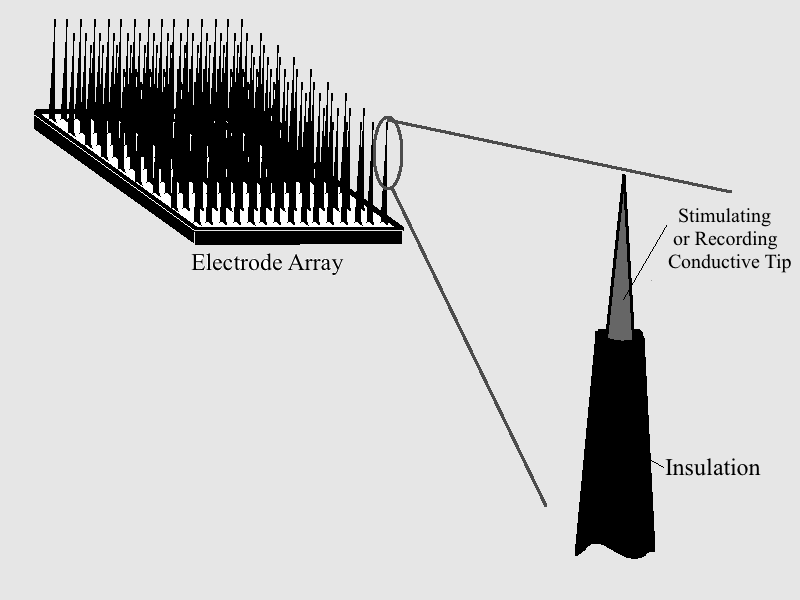
The engineering behind these devices represents a convergence of neuroscience, semiconductor technology, and materials science. Modern bioelectronic devices integrate neural sensing electrodes with diameters smaller than human hair, signal processing chips consuming microjoules of power, and wireless communication systems that operate continuously for decades [5].
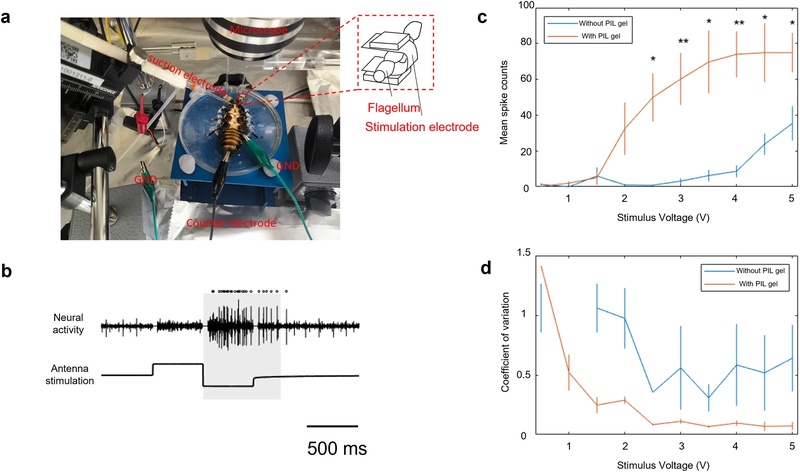
Here’s where regulatory complexity begins: Unlike pharmaceuticals that are tested for toxicity and efficacy, bioelectronic devices must prove both biological safety AND electrical safety. The FDA must evaluate whether the device materials are biocompatible, whether the electrical stimulation parameters are safe, and whether the surgical implantation procedure is justified by clinical benefits.
The FDA’s Class III Device Challenge: Engineering Breakthroughs Meet Regulatory Reality
Scaling bioelectronic medicine from impressive research results to widespread clinical adoption reveals regulatory pathways fundamentally different from pharmaceutical development.
Most bioelectronic devices qualify as FDA Class III medical devices (the highest risk category that includes heart valves, defibrillators, and brain implants). This classification triggers rigorous premarket approval (PMA) requirements with development timelines often spanning 8-15 years and costs ranging from tens of millions to over $100 million per device, depending on complexity and clinical trial requirements [6].
The FDA’s challenge with bioelectronic medicine is unique: How do you evaluate devices that work through electrical stimulation of neural circuits rather than chemical mechanisms? Traditional clinical trial endpoints designed for pharmaceuticals often don’t capture the nuanced ways bioelectronic devices restore function.
For example, how do you quantify the clinical benefit of a vagus nerve stimulator that reduces inflammation markers while improving quality of life metrics that traditional rheumatoid arthritis trials don’t measure? This regulatory puzzle means companies must often invent new clinical trial designs while simultaneously engineering breakthrough devices.
Consider the regulatory pathway that medical device companies face for vagus nerve stimulation devices targeting inflammatory conditions. Companies must demonstrate not only that electrical stimulation affects inflammatory biomarkers, but that these changes translate to clinically meaningful improvements in disease-specific outcomes such as joint function, pain scores, and quality of life measures [7]. Unlike pharmaceuticals that might show efficacy in 6-month trials, bioelectronic devices often require years of follow-up data to prove long-term safety and durability.
Manufacturing adds another regulatory layer unique to bioelectronic devices. Each implantable stimulator contains custom semiconductor chips, biocompatible electrode arrays, and hermetically sealed batteries designed to operate in the corrosive biological environment for decades. The FDA must validate manufacturing processes that combine semiconductor fabrication, medical device assembly, and surgical implantation procedures—a quality control challenge that no pharmaceutical faces [8].
The economic implications of these regulatory requirements are staggering. While a pharmaceutical company might invest $1 billion to bring a new drug to market, bioelectronic medicine companies face similar development costs plus the complexity of device manufacturing, surgeon training programs, and specialized surgical center infrastructure. This explains why bioelectronic medicine remains concentrated among large medical device companies like Medtronic, Boston Scientific, and Abbott—smaller biotechnology companies often lack the resources to navigate Class III device approval.
The Reimbursement Puzzle: When Insurance Companies Meet Electrical Therapy
Beyond FDA approval, bioelectronic medicine faces a reimbursement landscape designed for pharmaceuticals, not precision electrical devices. The Centers for Medicare & Medicaid Services (CMS—the agency that sets coverage policies for most American healthcare) must create new billing codes for procedures that combine surgical implantation with ongoing electrical therapy—a hybrid that fits neither traditional surgery nor medication categories.
Consider the economic paradox of spinal cord stimulation for chronic pain management. These devices cost $20,000-40,000 plus surgical implantation fees, but can provide sustained pain relief that eliminates tens of thousands of dollars in annual pharmaceutical costs for patients with medication-resistant conditions [9]. Insurance companies must weigh upfront device costs against long-term pharmaceutical savings while navigating coverage policies that weren’t designed for electrical therapies.
This matters because it directly affects whether your insurance will cover bioelectronic treatments that could replace years of daily medications and their side effects. Insurance medical directors must evaluate clinical trial results showing therapeutic benefit against uncertain long-term costs and outcomes—often requiring years of real-world data before coverage decisions.
The regulatory-reimbursement intersection creates a unique commercialization bottleneck. Companies must simultaneously satisfy FDA safety and efficacy requirements while generating health economics data that convinces insurance companies to provide coverage. This dual pathway often extends commercialization timelines beyond the already lengthy Class III device approval process.
Recent developments suggest this landscape is evolving rapidly. Medicare announced coverage expansion for certain spinal cord stimulation procedures in 2024, and private insurers are developing value-based payment models for bioelectronic devices that link reimbursement to patient outcomes [10]. These changes reflect growing recognition that bioelectronic medicine’s upfront costs can be justified by long-term healthcare savings and improved patient outcomes.
The Commercial Race: Why Established Players Dominate Bioelectronic Medicine
The intersection of technical complexity, regulatory requirements, and reimbursement challenges creates market dynamics that favor established medical device companies over biotechnology startups. Medtronic, Boston Scientific, Abbott, and Nevro collectively control over 80% of the bioelectronic medicine market, with each company investing billions in device development, clinical trials, and surgeon education programs [11].
This market concentration reflects the unique resource requirements of bioelectronic medicine commercialization. Unlike pharmaceutical development where small biotechnology companies can focus on drug discovery and license compounds to larger companies for clinical development, bioelectronic devices require integrated expertise in neuroscience, semiconductor engineering, surgical technique, and regulatory affairs that few organizations possess.
Consider Nevro’s decade-long development of high-frequency spinal cord stimulation technology. The company spent $200 million and eight years proving that 10,000 Hz stimulation provides superior pain relief compared to traditional low-frequency devices [12]. This required developing custom semiconductor chips, conducting multiple clinical trials, training thousands of surgeons worldwide, and establishing manufacturing processes capable of producing FDA-quality devices at scale.
The competitive dynamics differ fundamentally from pharmaceuticals. While drug companies compete primarily on molecular efficacy and safety profiles, bioelectronic medicine companies must excel in device engineering, surgical technique, patient selection algorithms, and post-implantation programming protocols. Success requires building clinical ecosystems around devices rather than simply manufacturing products.
This ecosystem approach explains why established medical device companies continue to acquire bioelectronic medicine startups rather than competing directly with them. Boston Scientific’s $1.8 billion acquisition of BTG in 2019 provided access to specialized radiofrequency ablation technologies, while Abbott’s acquisition of St. Jude Medical brought expertise in cardiac rhythm management that extends to neurological stimulation applications [13].
The Future of Medicine: When Your Body Becomes Programmable
The convergence of breakthrough neuroscience, semiconductor miniaturization, and regulatory adaptation is creating a future where chronic diseases get treated with software updates rather than daily pills. Bioelectronic medicine represents more than just another medical technology—it’s the beginning of programmable biology where electrical signals replace chemical interventions.
Within the next decade, the winners will be companies that master the dual challenge of engineering breakthrough devices while navigating complex regulatory and reimbursement pathways. The regulatory landscape is evolving to accommodate electrical therapies, with Medicare expanding coverage for certain stimulation procedures and private insurers developing value-based payment models that link reimbursement to patient outcomes.
For patients, this means the future of medicine may involve getting a software upgrade instead of a prescription refill. Bioelectronic devices can be reprogrammed remotely to adjust therapy parameters, provide personalized treatment based on real-time physiological feedback, and potentially treat multiple conditions with the same implanted device. The question isn’t whether bioelectronic medicine will transform healthcare—it’s whether regulatory systems can evolve quickly enough to unlock its full potential for the patients who need it most.
References
[1] Tracey, K. J., “Bioelectronic medicine: technology targeting molecular mechanisms for therapy,” PMC, Journal of Internal Medicine, 2018.
[2] Kingstec, “The Future of Healthcare: What is Bioelectronic Medicine?,” https://kingstec.com/the-future-of-healthcare-what-is-bioelectronic-medicine/, August 2025.
[3] Pharma’s Almanac, “Singing The Body Electric: Exploring Bioelectronic Medicine,” https://www.pharmasalmanac.com/articles/singing-the-body-electric-exploring-bioelectronic-medicine, April 2025.
[4] Frontiers in Integrative Neuroscience, “Bioelectronic Medicine: A Multidisciplinary Roadmap from Biophysics to Precision Therapies,” https://www.frontiersin.org/journals/integrative-neuroscience/articles/10.3389/fnint.2024.1321872/full, January 2024.
[5] Donati, E., et al., “Neuromorphic Pattern Generation Circuits for Bioelectronic Medicine,” http://arxiv.org/abs/2102.09630v1, arXiv preprint, 2021.
[6] PMC, “New Era of Electroceuticals: Clinically Driven Smart Implantable Electronic Devices Moving towards Precision Therapy,” https://pmc.ncbi.nlm.nih.gov/articles/PMC8876842/, 2022.
[7] PMC, “Next Generation Bioelectronic Medicine: Making the Case for Non-invasive Closed-loop Autonomic Neuromodulation,” https://pmc.ncbi.nlm.nih.gov/articles/PMC11748337/, 2024.
[8] PMC, “New Era of Electroceuticals: Clinically Driven Smart Implantable Electronic Devices Moving towards Precision Therapy,” https://pmc.ncbi.nlm.nih.gov/articles/PMC8876842/, 2022.
[9] PMC, “Bioelectronic Therapeutics: A Revolutionary Medical Practice in Health Care,” https://pmc.ncbi.nlm.nih.gov/articles/PMC12054615/, 2024.
[10] Tyler, W. J., “Auricular Bioelectronic Devices for Health, Medicine, and Human-Computer Interfaces,” http://arxiv.org/abs/2409.16169v1, arXiv preprint, September 2024.
[11] Baum, J., et al., “Towards Electrophysiological and Histological Mapping of Upper Limb Nerves in Pigs Using Epineural Stimulation,” http://arxiv.org/abs/2510.02979v1, arXiv preprint, October 2025.
[12] Zhou, B., et al., “Combining SNNs with Filtering for Efficient Neural Decoding in Implantable Brain-Machine Interfaces,” http://arxiv.org/abs/2312.15889v2, arXiv preprint, December 2023.
This digest was generated by AaBot using real-time web and literature research.