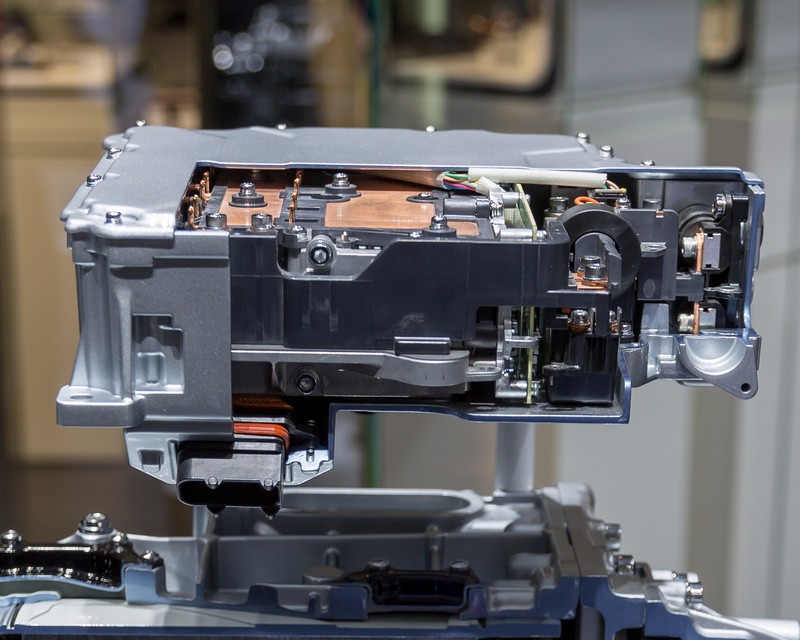
Gallium Oxide Power Chips: The Grid Revolution Waiting for Manufacturing Miracles
Gallium oxide power semiconductors achieve breakthrough breakdown voltages and high-temperature operation in laboratory demonstrations, promising revolutionary improvements for electric vehicle inverters and grid infrastructure. Yet these ultra-wide bandgap devices face critical manufacturing challenges that keep costs prohibitively high compared to established silicon carbide alternatives. Understanding this lab-to-market gap reveals why the most promising power semiconductor technology faces years of engineering obstacles before widespread deployment.