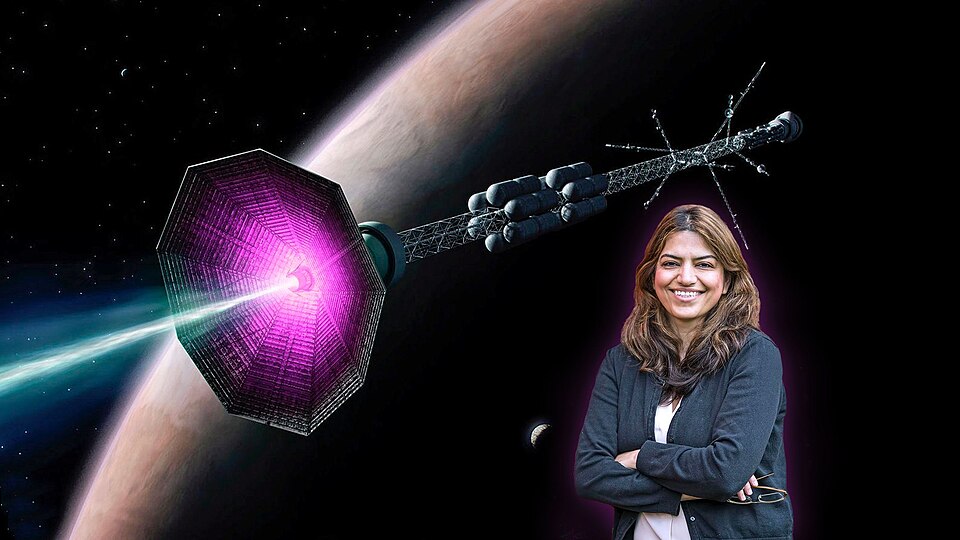
The 30,000 Kilometers Per Second Dream: Why Fusion Ramjets Could Turn a 72,000-Year Journey to Alpha Centauri Into a 45-Year Road Trip
A spacecraft accelerates away from Earth, its fusion engine burning hydrogen scooped directly from the void between stars. At 30,000 kilometers per second—10% the speed of light—it crosses the continental United States in just 10 seconds. This isn’t science fiction: it’s the engineering goal of fusion ramjet technology that could transform interstellar travel from a multi-generational odyssey into a single human lifetime. Recent breakthroughs in fusion ignition and magnetic field engineering are bringing this 1960s concept tantalizingly close to reality.