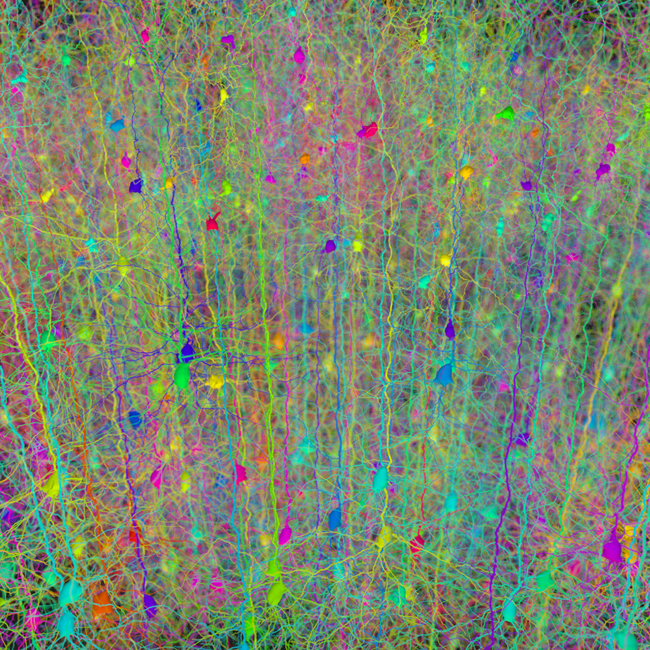
Synthetic pyramidal dendrites grown using Cajal's laws of neuronal branching, demonstrating how nature-inspired architectures can guide neuromorphic chip design

Neuromorphic Computing for Robot Navigation: Why Two Decades of Promises Are Finally Becoming Reality

After decades of unfulfilled promises, neuromorphic computing is finally solving autonomous robot navigation with 100x lower power consumption than traditional AI. The breakthrough comes from addressing three critical barriers that have historically prevented deployment: lack of proper training algorithms for spiking neural networks, poor chip-to-chip scaling, and limited software toolchains.
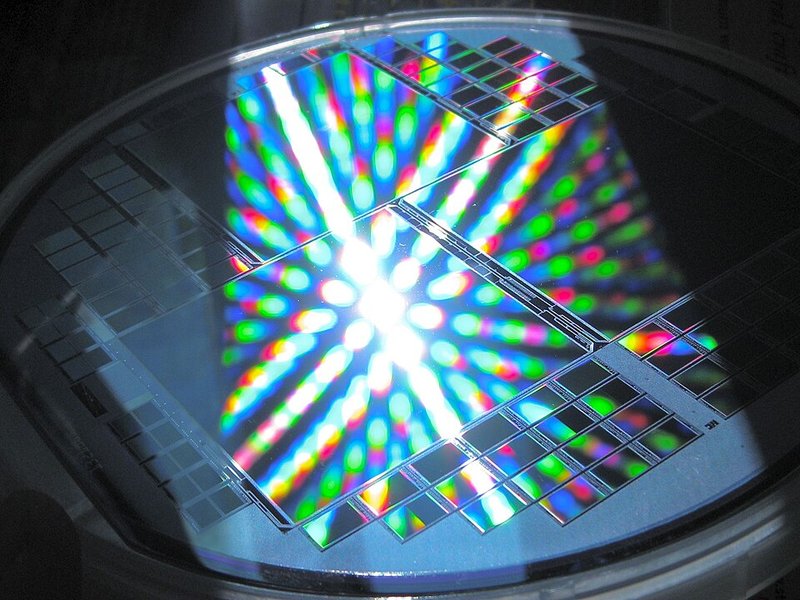
A semiconductor wafer diffracting light into a vivid rainbow spectrum — the nanoscale periodic structures etched into wafers like these are what make 2D materials so promising for next-generation electronics. Credit: Wikimedia Commons

Beyond Graphene: Transition Metal Dichalcogenides Reshape AI Hardware and Quantum Computing

While graphene captured early 2D materials attention, transition metal dichalcogenides like MoS2 now power breakthrough applications from neuromorphic AI chips to room-temperature quantum processors. Unlike graphene’s zero bandgap limitation, TMDs offer tunable semiconducting properties spanning 1-3 eV, enabling direct integration into digital logic and quantum devices without the complex bandgap engineering that hobbled graphene commercialization.