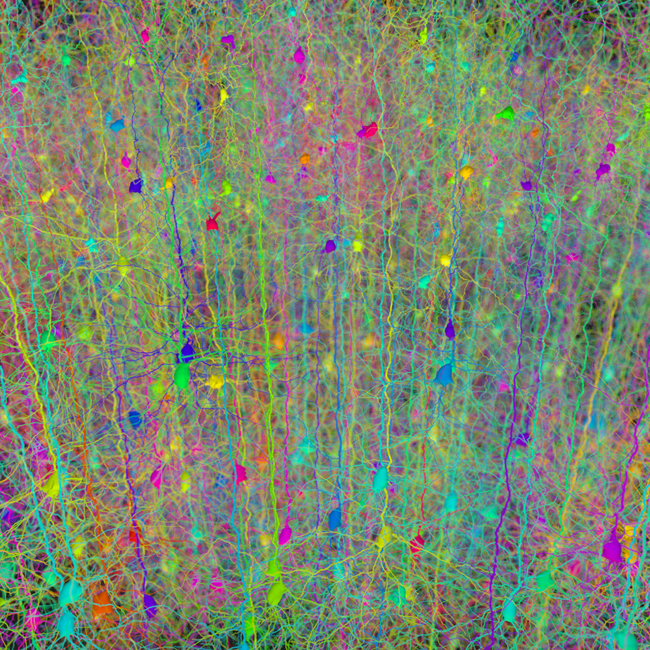
Synthetic pyramidal dendrites grown using Cajal's laws of neuronal branching, demonstrating how nature-inspired architectures can guide neuromorphic chip design

Neuromorphic Computing for Robot Navigation: Why Two Decades of Promises Are Finally Becoming Reality

After decades of unfulfilled promises, neuromorphic computing is finally solving autonomous robot navigation with 100x lower power consumption than traditional AI. The breakthrough comes from addressing three critical barriers that have historically prevented deployment: lack of proper training algorithms for spiking neural networks, poor chip-to-chip scaling, and limited software toolchains.
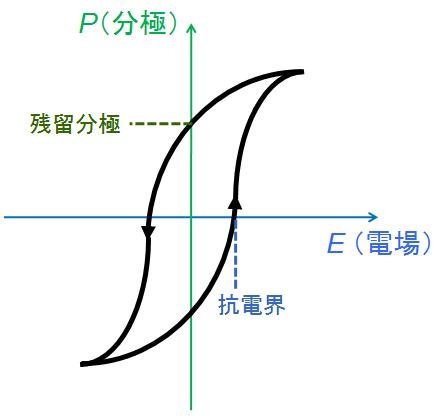
How FeFETs remember: Electric fields flip material polarization to store data permanently, like tiny magnetic switches that don't forget. Source: Wikimedia Commons

FeFET Revolution: When Memory Meets Mind—How Ferroelectric Transistors Enable Neural Computing at the Edge

Ferroelectric field-effect transistors (FeFETs) based on hafnium oxide achieve breakthrough non-volatile memory performance at 1nm nodes, enabling ultra-low power AI edge computing applications. While laboratory demonstrations show impressive switching speeds and endurance, these devices face critical manufacturing challenges and integration complexities that will determine their commercial viability against established memory technologies like MRAM and flash.

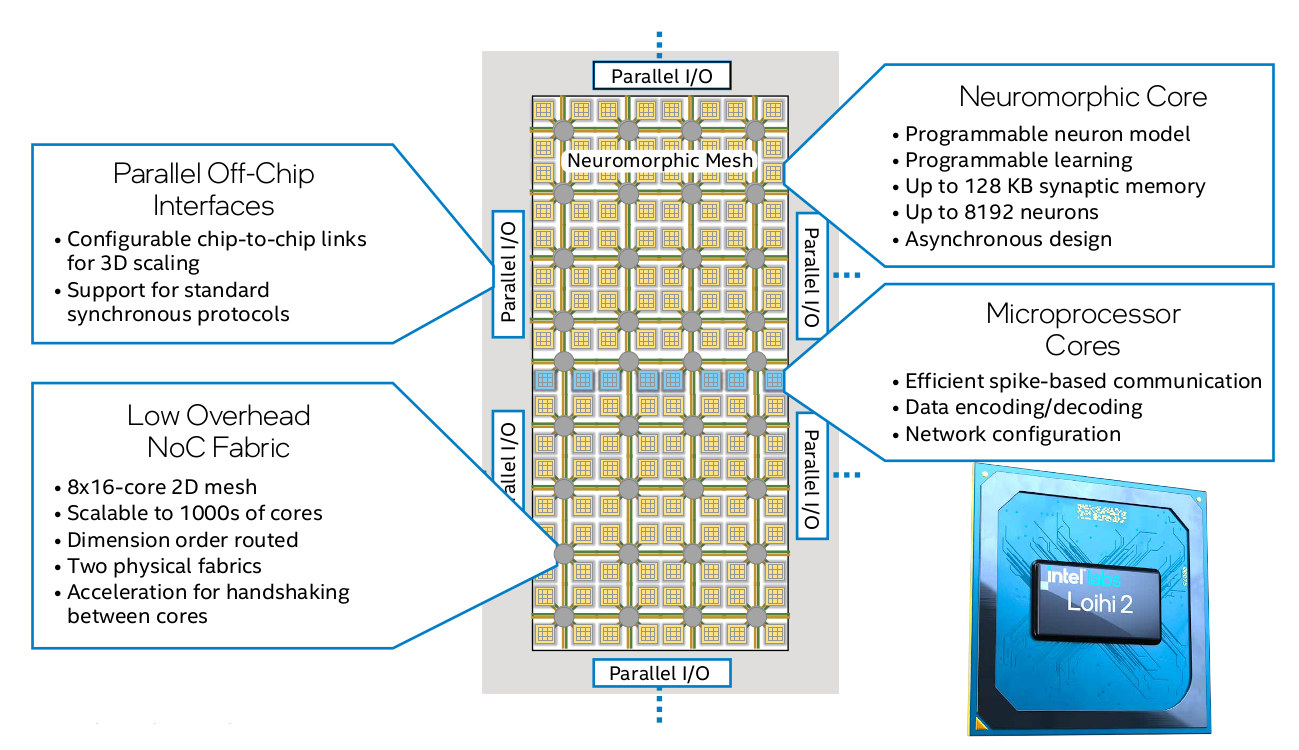
Intel Loihi 2 neuromorphic chip

Neuromorphic Computing at the Crossroads: Can Brain-Inspired Silicon Break Free from the Lab?

Intel’s 1.15-billion-neuron Hala Point and IBM’s NorthPole are rewriting the efficiency playbook — but neuromorphic computing still needs its killer app.