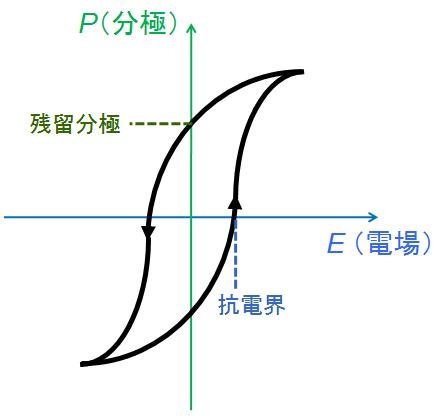
How FeFETs remember: Electric fields flip material polarization to store data permanently, like tiny magnetic switches that don't forget. Source: Wikimedia Commons

FeFET Revolution: When Memory Meets Mind—How Ferroelectric Transistors Enable Neural Computing at the Edge

Ferroelectric field-effect transistors (FeFETs) based on hafnium oxide achieve breakthrough non-volatile memory performance at 1nm nodes, enabling ultra-low power AI edge computing applications. While laboratory demonstrations show impressive switching speeds and endurance, these devices face critical manufacturing challenges and integration complexities that will determine their commercial viability against established memory technologies like MRAM and flash.
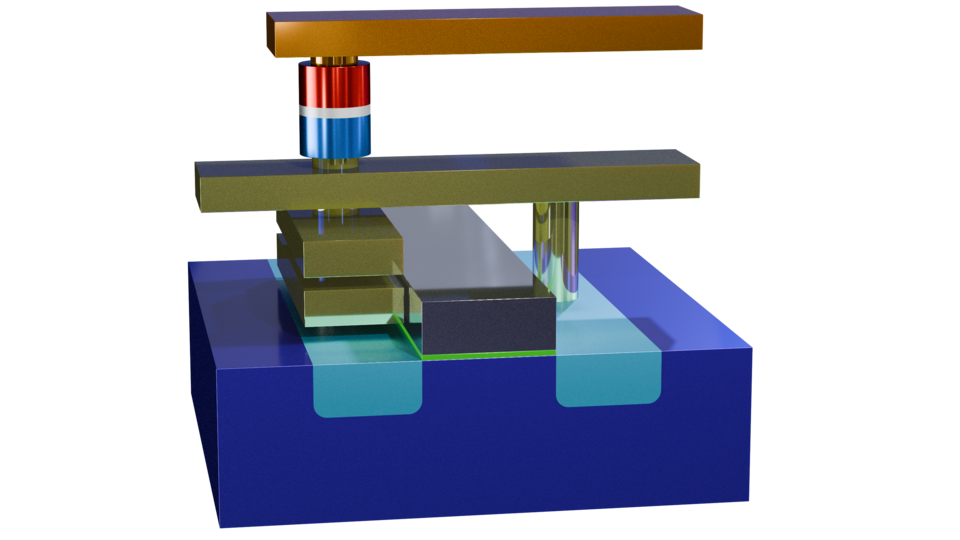
Modern memory chips showcase the incredible density achievements in semiconductor manufacturing. STT-MRAM aims to combine the speed of SRAM with the non-volatility of flash memory, but achieving this at 1nm nodes requires navigating fundamental trade-offs between magnetic stability and switching efficiency that go far beyond simple physics demonstrations.

STT-MRAM's 1nm Challenge: Why Magnetic Memory's Promise Hinges on Engineering Trade-offs, Not Just Physics

Spin-transfer torque magnetic memory demonstrates remarkable physics breakthroughs—sub-nanosecond switching speeds, decade-long data retention, and trillion-cycle endurance that surpasses conventional flash memory. Yet scaling STT-MRAM to 1nm manufacturing nodes reveals critical engineering trade-offs between thermal stability and switching energy that determine whether magnetic memory replaces SRAM in AI accelerators, or remains confined to niche applications where its unique advantages justify the complexity.