A cross-sectional diagram reveals the intricate layered architecture of modern silicon wafers, where through-silicon vias create vertical highways for electrical signals to traverse multiple chip layers. This fundamental packaging innovation enables the extreme 3D integration densities that power next-generation AI accelerators.

The $50 Billion Bet: Why TSV Technology at 5μm Pitch Could Make or Break AI's Hardware Future

Through-silicon via (TSV) technology has achieved remarkable 5μm pitch scaling that enables thousand-layer 3D chip stacking for AI accelerators, yet the $50 billion industry investment hinges not just on technical breakthroughs but on navigating brutal economic realities: TSMC’s 70% yield advantage over Samsung, Intel’s $20B Arizona fab bet requiring 75% cost reduction, and thermal management solutions that determine whether stacked chips cook themselves or revolutionize computing.
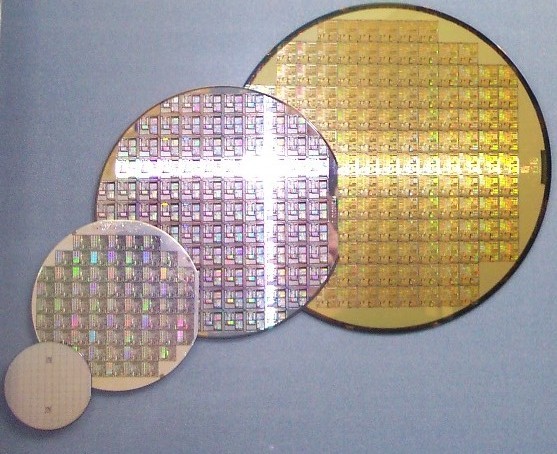
Silicon wafers in different sizes show the precision manufacturing base for all modern chips. Analog AI accelerators use the same substrate but require entirely different fabrication challenges to maintain conductance precision across billions of devices. Credit: Wikimedia Commons

The 1000x Promise: Why Analog AI Accelerators Work Brilliantly in Labs But Struggle Reaching Your Phone

IBM’s analog AI chips achieve 1000x energy efficiency gains over digital processors in laboratory demonstrations, processing speech recognition tasks with femtojoule precision. Yet despite breakthrough physics and proven technical superiority, these revolutionary accelerators face a reality gap: manufacturing costs, software compatibility barriers, and infrastructure requirements that explain why your next smartphone likely won’t contain analog AI—regardless of how impressive the research results appear.

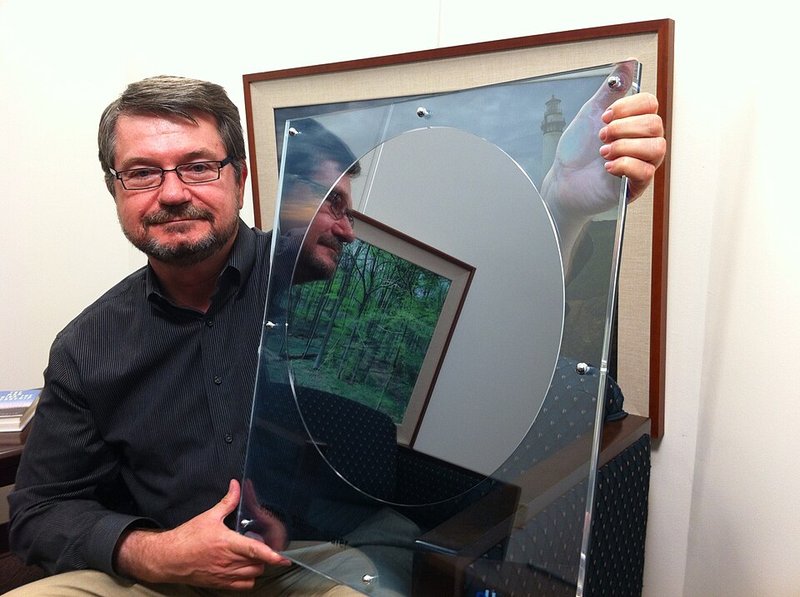
A 450mm silicon wafer shows the manufacturing precision needed for advanced semiconductors—one contamination speck can ruin millions of transistors. Credit: Wikimedia Commons

The $10 Billion Gamble: How Samsung and TSMC's 2nm Race Hinges on Manufacturing Reality, Not Just Physics

Samsung’s 2nm Gate-All-Around transistors achieve breakthrough densities of 300 million transistors per square millimeter—but manufacturing yields of just 40% versus TSMC’s projected 60% could cost an extra $2 billion per fabrication plant. The technology works brilliantly in laboratory demonstrations, yet the gap between ‘functional in research’ and ‘profitable at volume’ determines which company will control the future of AI processors. This isn’t just a technical race—it’s an economic battle where manufacturing precision, not pure innovation, decides the winner.